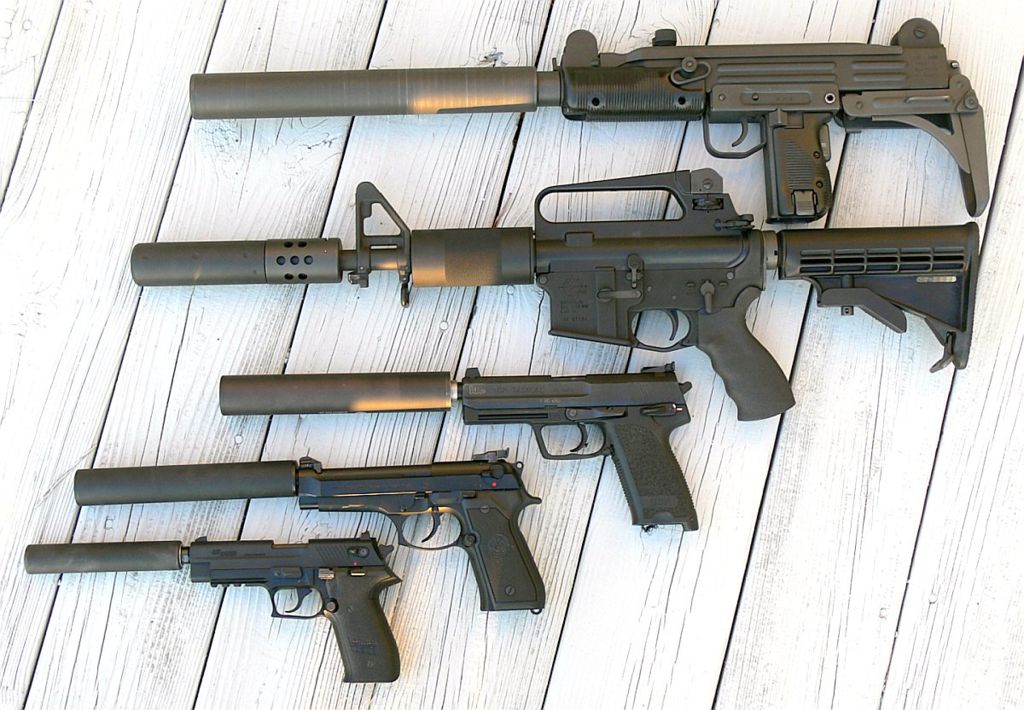
For 92 years, buying a suppressor in America meant filling out federal paperwork, paying a $200 tax and waiting for Washington’s permission. As of last Friday, that’s over.
The Bureau of Alcohol, Tobacco, Firearms and Explosives (ATF) announced on Oct. 9 that it will no longer enforce the National Firearms Act’s approval and registration requirements for suppressors, short-barreled rifles, short-barreled shotguns and items classed as “any other weapons.” The policy applies nationwide.
How we got here
The change started with taxes. The One Big Beautiful Bill Act, signed in 2025, cut the NFA’s making and transfer tax on these items from $200 to $0, effective Jan. 1, 2026, according to the ATF.
That opened a legal door. The NFA was passed in 1934 as a tax law. Gun-rights groups argued that once the tax was zero, the registration scheme attached to it had no constitutional footing left.
On Aug. 5, U.S. District Judge James Wesley Hendrix of the Northern District of Texas agreed. In the consolidated cases Jensen v. ATF and Silencer Shop Foundation v. ATF, he ruled that the registration and pre-approval requirements could no longer be justified under Congress’s taxing power, according to the NRA’s American Rifleman. ConcealedCarry.com reported the court also rejected a Commerce Clause defense, because Congress didn’t rely on that power when it passed the law in 1934.
The ruling only protected the plaintiffs and their members and customers. But the Justice Department announced it would not appeal. Attorney General Todd Blanche then used the department’s enforcement discretion to apply the same treatment to everyone, according to American Rifleman.
What’s different now
According to the ATF’s updated guidance, individuals no longer need to apply for and receive ATF approval before making or transferring these items. That means no Form 1 to build one and no Form 4 to buy one. ATF also will not enforce NFA registration or tax-stamp requirements for them.
For short-barreled rifles and shotguns, the ATF says it will not enforce a Gun Control Act restriction on dealer sales until it writes new rules for a non-NFA transfer process.
What has NOT changed
This is important, and every gun owner should read it twice.
- Background checks still apply. These items are still “firearms” under the Gun Control Act. Dealers must still run a Form 4473 and a NICS background check, according to the ATF.
- Machine guns and destructive devices are unchanged. They keep the $200 tax and all NFA rules.
- State law still rules. ConcealedCarry.com lists California, Delaware, Hawaii, Illinois, Massachusetts, New Jersey, New York, Rhode Island, Washington state and D.C. as banning suppressors. Some other states allow them only if they’re held in compliance with federal law, and it’s unclear how that applies to unregistered items.
- Crossing state lines. The ATF says owners must still file a Form 20 before taking a short-barreled rifle or shotgun across state lines.
- It’s a policy, not a repeal. The ATF warns enforcement could resume if circumstances change, such as Congress bringing back a tax or a court overturning the ruling. Unregistered NFA items would then be treated as contraband.
A milestone for gun owners
“This is what happens when all three branches of government are willing to follow the Constitution,” said John Commerford, executive director of the NRA’s Institute for Legislative Action, in American Rifleman. He said the administration “will stop treating law-abiding Americans as if they still need special permission from the government.”
The National Firearms Act dates to June 26, 1934. AccurateShooter.com reported that in August, after the Texas ruling, two Gun Owners of America members became the first people since then to lawfully acquire suppressors without federal registration.
The bottom line
Suppressors protect shooters’ hearing and reduce noise for neighbors. Yet for nine decades, Washington treated law-abiding Americans who wanted one like suspects, with a federal registry, a tax and long waits for approval.
This win came the right way. Congress cut the tax. A federal judge applied the Constitution. And the executive branch chose not to waste taxpayer money defending a 1934 relic in court. That is how limited government is supposed to work.
Gun owners should still be careful. Check your state’s laws, keep up with your paperwork for travel, and remember that a future Congress or court could try to turn the clock back. The best protection is for Congress to finish the job and remove these items from the NFA for good.
This article is general information, not legal advice. Check with a firearms attorney in your state before making or buying a covered item.
Sources
- ATF: Update to NFA Transfer Guidance
- American Rifleman: ATF ends enforcement of NFA registration and approval requirements
- ConcealedCarry.com: ATF drops NFA registration for suppressors, SBRs and SBSs: What changed and what didn’t
- Firearms News: ATF ends NFA approval for suppressors, SBRs, SBSs and AOWs
- AccurateShooter.com: First unregistered suppressor purchase in 92 years